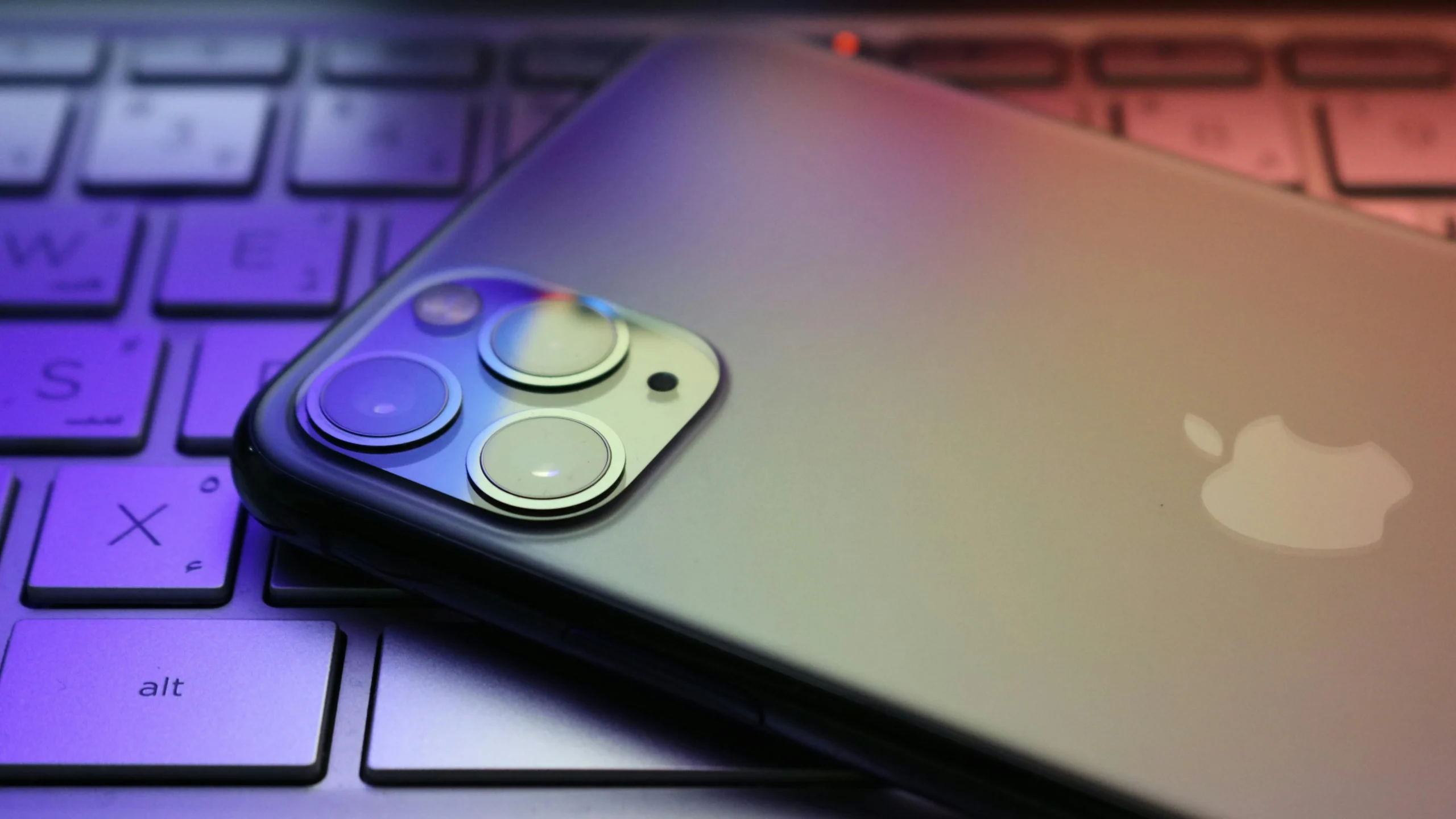
Apple’s new on-device AI system marks one of the most important shifts in the iPhone’s history. Not because it introduces another feature, but because it redefines how the device thinks, processes, and interacts with you. This isn’t a Siri refresh. It’s a new intelligence layer, local, private, fast, and deeply personalized.
Apple is quietly telling the industry:
The future of AI isn’t in the cloud. It’s in your pocket.
And that message lands at a time when users care more about data privacy, AI transparency, and digital autonomy than ever.
Why On-Device AI Matters (And Why Apple’s Doing It Now)
For years, the AI race was dominated by cloud giants, OpenAI, Google, Anthropic, scaling massive models that lived entirely in server farms. Apple played a long game instead, optimizing silicon, the Neural Engine, thermal design, and on-device memory bandwidth.
Now that AI models can finally run efficiently on mobile hardware, Apple is making its move.
A New Intelligence Layer That Lives With You, Not Above You
On-device AI lets the iPhone analyze patterns, typing, camera behavior, speech, and daily routines without sending that data to the cloud. Instead of outsourcing intelligence, Apple is localizing it.
This creates two advantages:
- Privacy: Personal data stays on the device.
- Performance: AI actions become instant, multimodal, and context-aware.
This is the first mainstream attempt at personal intelligence, not cloud dependence. For users frustrated with data mining and AI opacity, the timing couldn’t be better.
Goodbye Siri Limitations, Hello Local LLMs
Apple’s hardware was ready long before its software. Now, with iPhones capable of running large, multimodal models locally, the experience changes from assistant to collaborator.
Instead of:
“Set a reminder.”
It becomes:
“Find the article John sent last week, summarize it in my tone, and prep talking points for my 2 PM call.”
That’s not an upgrade.
That’s an entirely new category of mobile computing.
Why This Strategy Hits the U.S. Market Perfectly
Americans care deeply about privacy, data control, and algorithmic transparency. Apple is capitalizing on that sentiment by building what is essentially the first consumer-grade privacy-first AI ecosystem.
The message is clear:
You can use powerful AI without sacrificing personal data.
In contrast, Google, Samsung, and Meta remain heavily dependent on server-side intelligence. Apple is differentiating not with model size, but with trust.
This aligns with rising Google Search AI intent signals, EEAT guidelines, and user sentiment data across the U.S. market.
The App Ecosystem Will Never Be the Same
Developers haven’t fully grasped the implications yet:
- AI features can run offline
- Personalization becomes instantaneous
- Apps can tap into a shared on-device intelligence layer
- Privacy compliance becomes drastically easier
- Mobile tools begin to behave like desktop-class AI software
This is the closest thing mobile computing has had to a platform reset since the App Store launched.
Apple vs Google vs Samsung
Apple and Google are now pursuing fundamentally different AI futures:
Google: Cloud-first, large-scale models.
Apple: Local-first, privacy-preserving intelligence.
If developers shift toward on-device models, Apple gains a defensible lead:
AI that runs where the user is.
Intelligence That Empowers Instead of Extracts
In a decade defined by surveillance concerns, algorithmic mistrust, and platform fatigue, Apple’s approach lands with surprising clarity:
AI can help you without harvesting you.
This is not just a technical pivot; it’s a philosophical repositioning of the iPhone as a device that understands you without monitoring you.
Where is this Heading to
An AI-powered iPhone that processes locally opens the door to:
- Real-time content generation
- Predictive workflows
- Adaptive UI
- Context-aware assistance
- Offline multimodal intelligence
- High-performance creative tools
- Zero-latency reasoning
- True personal AI agents
Apple isn’t trying to beat its rivals at their game.
It’s rewriting the rules entirely.
And by placing intelligence on the device, not in the datacenter, Apple may have found the version of AI consumers actually trust.