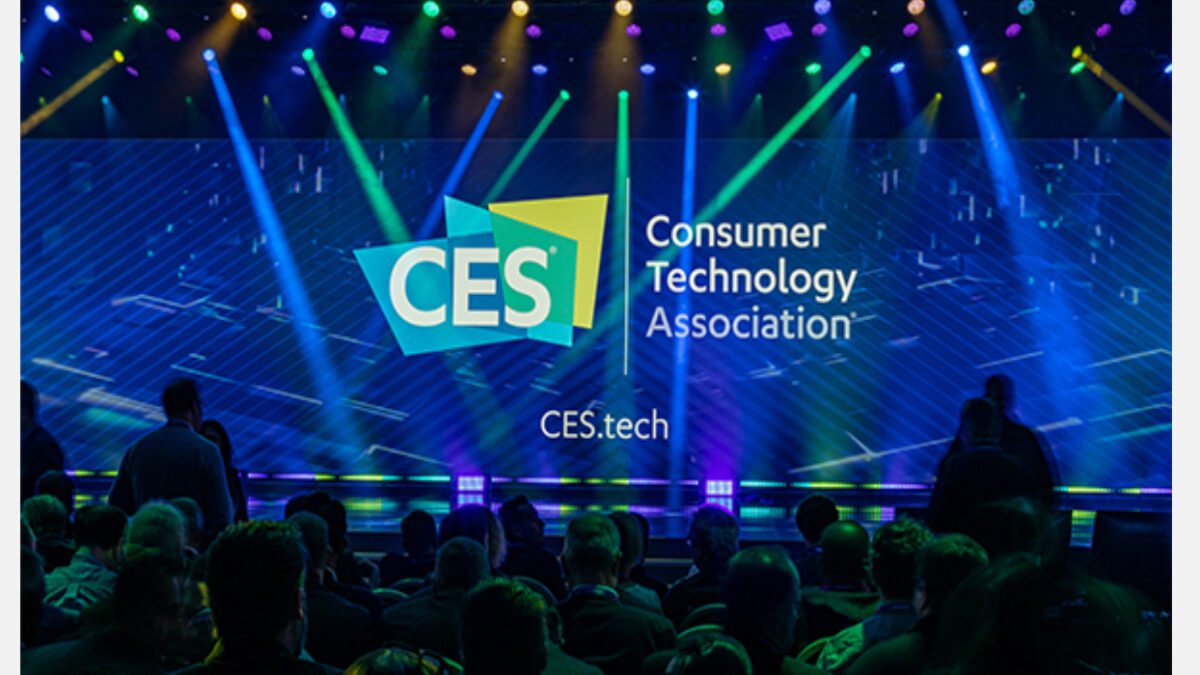
CES 2026 brought together the leading technology companies, innovators, startups, and organizations to present consumer and enterprise tech. The event featured thousands of exhibitors showcasing advancements in artificial intelligence, robotics, computing, smart home platforms, displays, and connected devices. Attendance exceeded expectations, with global industry leaders discussing trends and products that will shape technology through 2026 and beyond.
Over four days, visitors experienced keynote speeches, product launches, panel discussions, and hands-on demonstrations. To analyze how digital intelligence, automation, and connectivity are transforming industries from entertainment and lifestyle to manufacturing and mobility.
AI and Computing Power Defined the Tech Landscape
Artificial intelligence was a dominant theme throughout CES 2026. Companies outlined strategies that embed intelligence into hardware and software across sectors. Nvidia’s presence was a central element of the show, featuring its vision for “physical AI” and next-generation compute platforms. Nvidia aims to bring AI out of the lab and into real-world applications. The company highlighted tools for robotics, autonomous systems, and AI-driven simulation that aim to accelerate practical deployment of intelligent machines.
Chipmakers also played a major role in this trend. Intel introduced its Core Ultra Series 3 processors, built to support on-device AI workloads with improved energy efficiency and performance metrics. AMD unveiled new Ryzen AI-integrated processors, combining traditional CPU capabilities with enhanced AI support for laptops and desktops. These innovations reflect a broader industry shift where core hardware is optimized to run advanced AI tasks locally.
Cloud and enterprise platforms were also represented, with companies emphasizing hybrid AI architectures that balance local intelligence with scalable cloud services. Speakers and exhibitors noted that future AI systems will need to operate reliably across distributed networks, from personal devices to industrial machinery.
Consumer Electronics and Immersive Experiences Take Center Stage
CES remains the premier event for unveiling the latest gadgets and consumer products, and CES 2026 delivered a wide selection of innovations. Display technology advanced significantly, with manufacturers presenting ultra-responsive screens, larger panel formats, and enhanced color and brightness. Samsung’s showcase included bold new high-end displays and expanded AI-connected living appliances designed to automate everyday household tasks. These products combine sensor-based interactivity with machine learning to adapt to user preferences.
Smart home ecosystems grew more cohesive, with Matter-compatible devices emerging from numerous brands and categories. Smart lighting, locks, energy management systems, and integrated AV products underscored the industry’s drive toward seamless interoperability between platforms and smart devices.
Startups and established brands alike presented wearable technologies, immersive audio systems, and health monitoring devices that integrate biometric sensing with AI insights. Some wearable demos focused on real-time assistance and contextual awareness, while others targeted long-term well-being tracking.
Robotics, Mobility, and Physical AI
Robotics at CES 2026 moved well beyond novelty tiers, with multiple exhibitors showcasing units designed for real work in industrial, commercial, and consumer settings. Hyundai Motor Group, for example, showcased a prototype humanoid robot designed in collaboration with Boston Dynamics that illustrated advanced movement and task execution in factory contexts.
Home robotics also showed significant evolution. Multiple companies revealed vacuums and autonomous helpers that can navigate complex environments and interact with users in intuitive ways. These robots combine computer vision, motion planning, and task learning to accomplish cleaning, delivery, and inspection tasks with minimal human input.
Mobility and transportation technologies took the stage as well. Autonomous driving concepts, robotaxis, and integrated voice assistant systems for vehicles were presented by car makers and suppliers, signaling that CES is no longer just about gadgets and screens but is also influencing how we travel. This expanded focus included partnerships between automotive firms and AI technology providers aimed at enhancing navigation and safety systems.
Innovation Beyond Silicon Valley: Global Participation
CES 2026 exhibited a truly global footprint. Korean companies such as Samsung and LG displayed leadership in both home electronics and physical AI robots. European and Asian startups brought products ranging from exoskeleton support systems to mobile robot platforms designed for logistics and warehousing. Robotics from companies like ULS Robotics and HL Robotics attracted attention for offering advanced capabilities in physical tasks and load-bearing mobility.
Manufacturers from the Middle East, China, and Japan also participated in the show, reflecting how technology innovation is expanding beyond traditional hubs. Many of these participants focused on smart energy systems, digital health platforms, and AI-enhanced manufacturing tools that address global market needs.
Industry Leadership and Strategic Outlook
Keynotes and panel discussions explored larger trends shaping the technology industry. Leaders addressed the integration of AI into everyday products, ethical considerations for autonomous systems, and the economic impact of technology adoption worldwide. Exhibitors also highlighted supply chain advancements, standards for interoperable devices, and collaborative research initiatives aimed at accelerating development cycles.
Emphasis on sustainability was another recurring topic, with multiple booths and presentations dedicated to reducing energy consumption, minimizing electronic waste, and using AI to enhance resource efficiency in consumer and industrial environments.
Digital Intelligence Year Ahead and Beyond
CES 2026 demonstrated that artificial intelligence and connected systems are no longer emerging concepts. They are rapidly being woven into products, services, and infrastructure that will touch everyday life. The event’s expansive range of announcements included compute platforms, robotics, consumer electronics, and smart home ecosystems. This highlights how technology innovation is converging across sectors. These trends revealed at CES offer a clear view into how digital intelligence influence experiences, productivity, and markets.